Key Takeaway: Best practices for creating powerful, emotion-driven event videos that honor historical figures and movements.
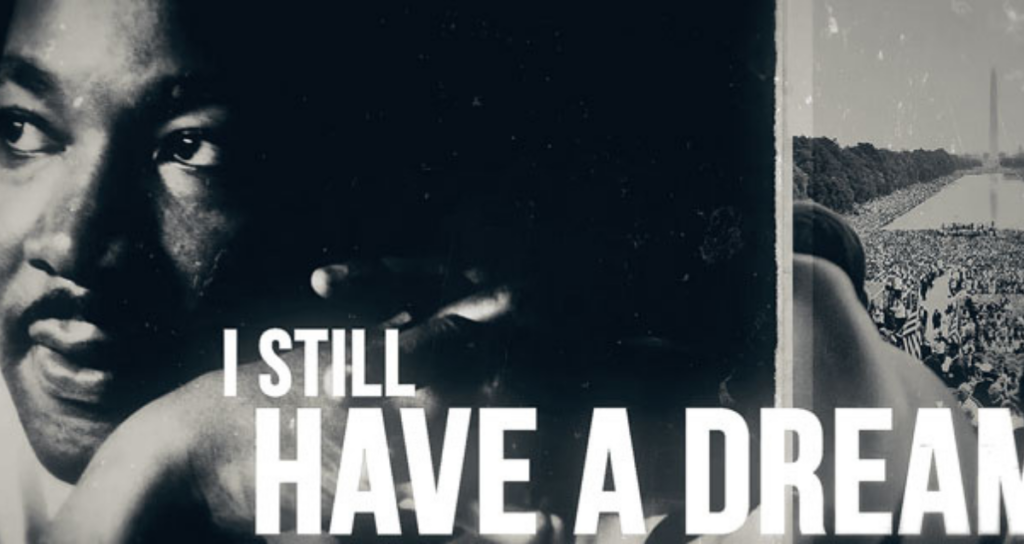
Each January, Florida International University hosts a series of events in honor of Dr. Martin Luther King Jr. a month-long tribute that culminates in their signature MLK Commemorative Celebration. It’s not just a ceremony. It’s a community-wide invitation to reflect, celebrate, and recommit to the values Dr. King stood for.
For the past four years, Two Parrot Productions has had the privilege of telling that story through video. FIU entrusted us to create two core pieces annually: one highlighting the event itself and another featuring the winners of their MLK Essay Contest.
But this was never just about documenting what happened. It was about capturing the soul of the event. About honoring history while making it feel urgent and alive for today’s audiences.
The Challenge: Turning Legacy into Visual Language

Tribute videos carry a unique responsibility. You’re working with historical gravity. You’re honoring a movement. And you’re translating it for a modern audience who may not have lived through the original moments but are still shaped by their impact.
When FIU first invited us to create these videos, the goal was clear. They wanted more than coverage. They wanted emotion. They wanted storytelling. They wanted us to show how Dr. King’s legacy is still evolving, reflected in the hearts of students, staff, and the broader community.
We began each year with deep conversations. What tone are we striking this time? What new layers are we adding? What must not be missed?
“We weren’t just there to capture what happened. We were there to create a mood, a feeling of presence, pride, and possibility.”
— Dr. Jessica Kizorek
The Production: Capturing Humanity on Camera
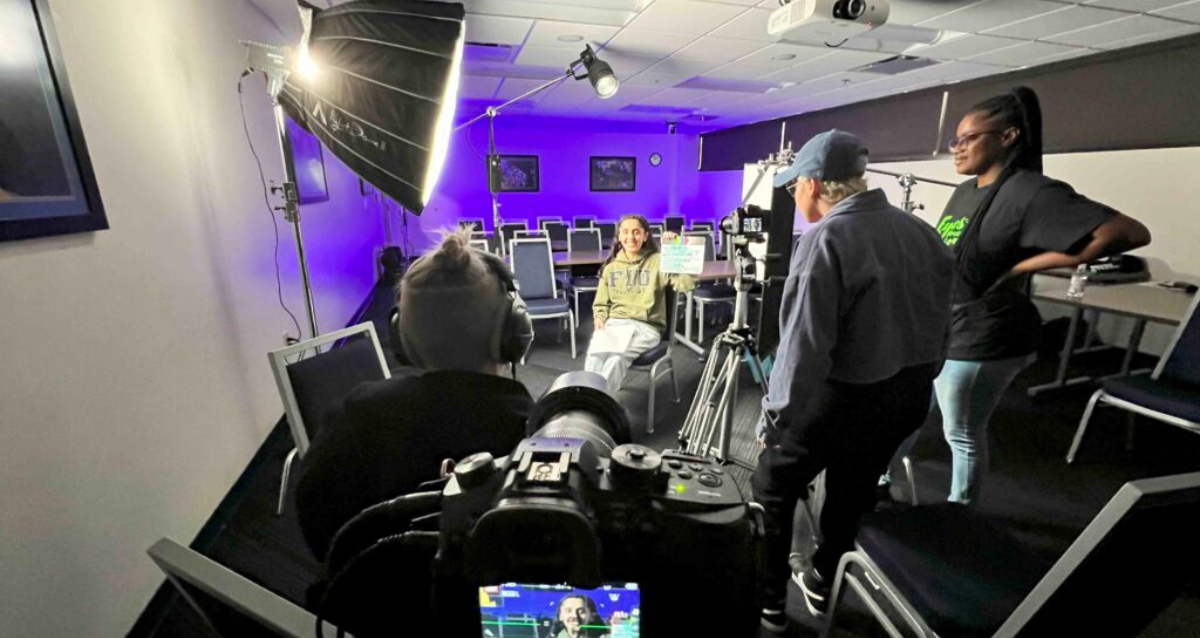
Every year, the celebration is filled with unforgettable moments, spoken word, gospel choirs, interpretive dance, student reflections. It’s vibrant and layered, emotionally rich, and deeply respectful of the legacy it honors.
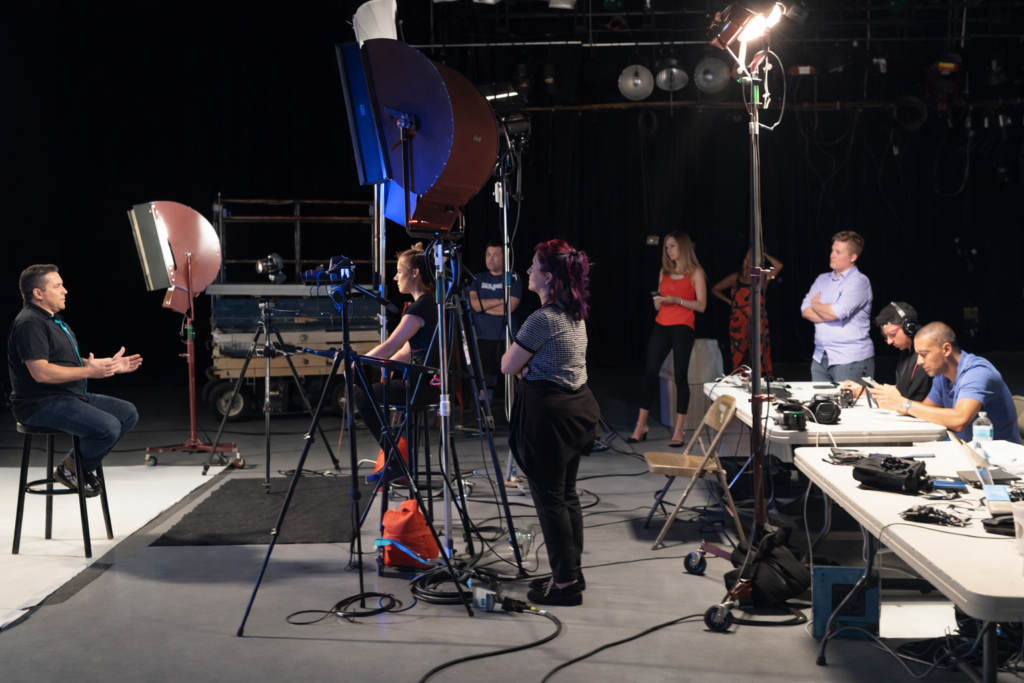
With Tabatha Mudra leading creative direction and camera work, we approached the day with precision and purpose. We moved through the room quietly, picking up not just the big performances, but the smaller, unscripted moments too, a student bowing their head in reflection, a hand rising in applause, a quiet tear.
The production team included professionals with deep care for their craft, lighting by Kufre Eyo, editing by Amanda Guerra and Eros Yabut, and motion graphics that enhanced without distracting. From lighting design to camera movement, everything we did was about serving the story.
“The most powerful footage is never in the script. It’s the glance, the breath, the unexpected moment that tells the real story.”
— Dr. Jessica Kizorek
The Edit: Giving Shape to Emotion
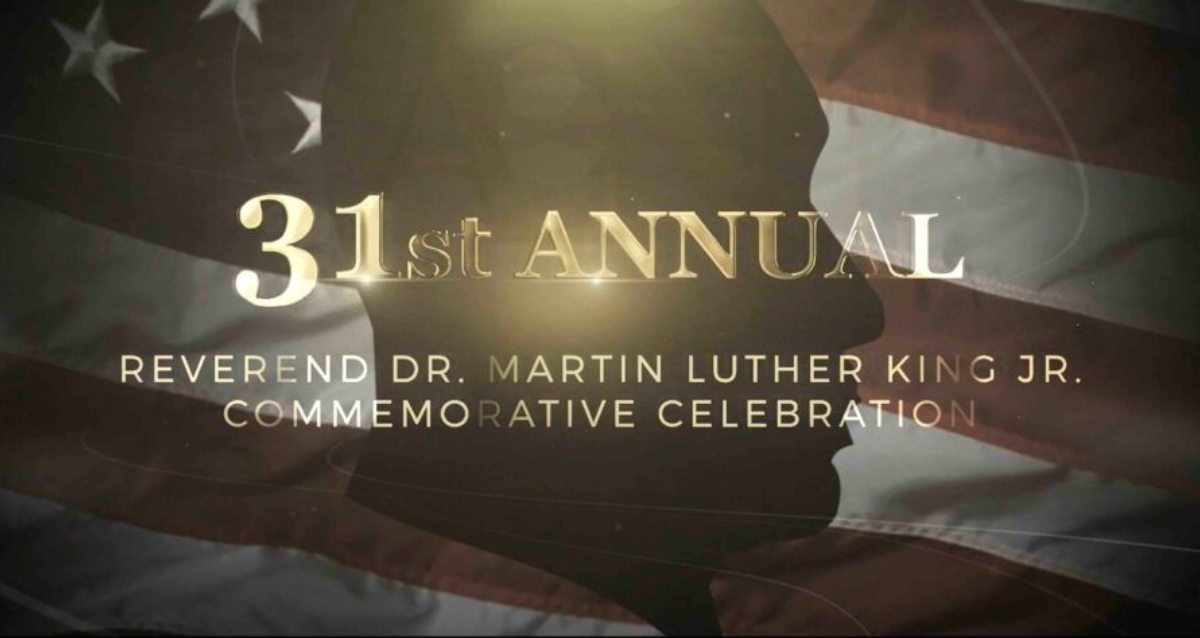
Once the event was over, the real storytelling began. We sifted through hours of footage to find the moments that carried emotional weight. Then we built a visual arc, one that honored the past, celebrated the present, and opened a path toward the future.
We chose music carefully, soulful, grounded, hopeful. We used pacing to let the emotions breathe. And we layered in original spoken word and graphics to connect each piece to the wider narrative of justice, equity, and community resilience.
You can feel it in the finished work.
Centering Student Voices
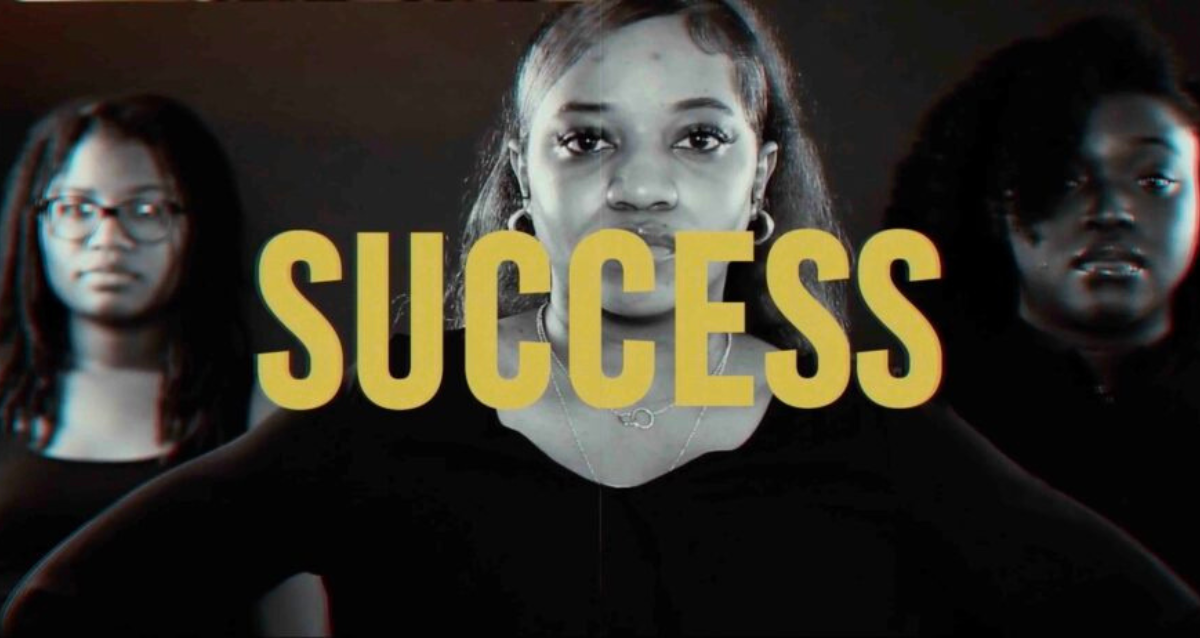
Alongside the tribute videos, we were asked to shine a light on FIU’s MLK Essay Contest winners. These young voices are at the heart of the celebration. Each year, they write about Dr. King’s influence in their own lives, and they do not hold back.
We gave their words space to shine. Clean lighting. No distractions. Honest storytelling.
Some students were nervous. Others were ready. All of them were powerful. These weren’t just essays. They were testimonies.
“These students aren’t just writing about Dr. King. They’re continuing his work, in classrooms, in protests, in their own personal journeys.”
— Dr. Jessica Kizorek
Watch their stories:
What We’ve Learned After Four Years
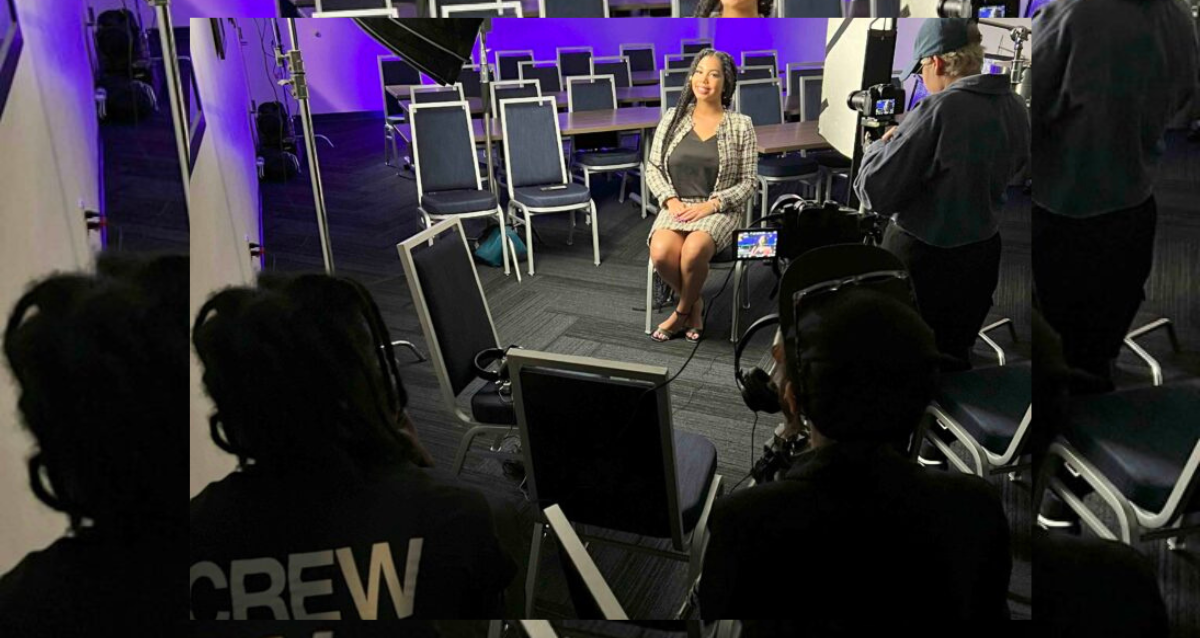
Four years into this collaboration, we’ve developed a rhythm with FIU, but we never let ourselves go on autopilot. Every year feels like a fresh opportunity to listen, witness, and evolve our approach.
Here are a few things that continue to guide us:
Start with Intention
Before we talk about shots, we talk about feelings. What do we want people to feel when the video ends? That answer shapes everything.
Don’t Overproduce
Perfection is not the goal. Authenticity is. Some of the most meaningful clips come from candid, slightly imperfect moments. Let them breathe.
Music and Sound Matter
A tribute needs more than visuals. It needs an atmosphere. Choose music that respects the tone. Let voices and silence have weight.
Stay Out of the Way
We train our lenses on the crowd as much as the stage. This celebration is about community. If we’re doing our job right, the viewer should feel like they were there.
Why FIU Keeps Calling Us Back
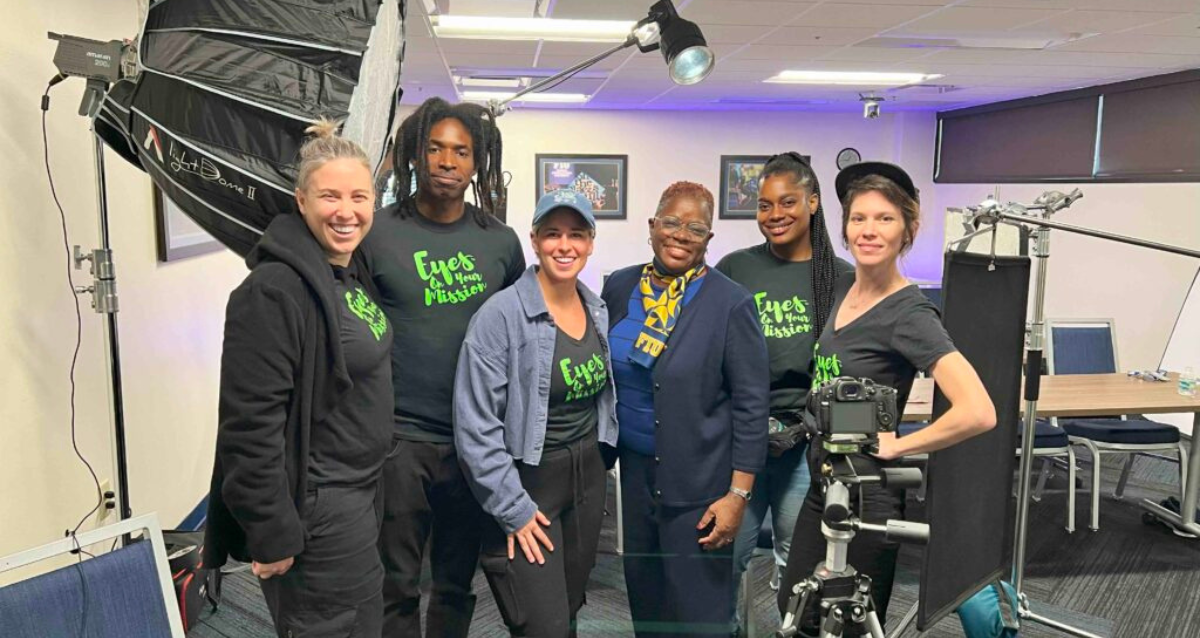
FIU could hire any vendor. The reason they return to Two Parrot year after year is because we don’t just make beautiful videos. We listen. We care. We come with deep respect for the message and the moment.
As Professor Jessy Dévieux wrote:
“From the pre-production to the production, editing, and conclusion stages of the project it has been a pleasure to work with Jessica and observe her leadership, creativity, resourcefulness, patience, and integrity. I strongly recommend Jessica Kizorek and her team at Two Parrot Productions and do so without reservation.”
That kind of feedback doesn’t come from tech specs. It comes from the heart.
Final Thoughts
Tribute videos are more than digital mementos. They’re living documents. They carry legacy forward. They help younger generations connect emotionally with moments they didn’t live through. And they remind all of us that the work isn’t done.
If your institution is planning a tribute, whether for a civil rights leader, a community hero, or a historical milestone, don’t settle for a basic recap. Let us help you create something people will feel in their bones.