Key Takeaway: How nonprofits can create instructional videos that are engaging, clear, and scalable for global audiences.
When the International Rescue Committee (IRC) approached us for help, they weren’t looking for a typical video series. They needed a global solution. Something that could educate, inspire, and train teachers working in some of the hardest places on Earth.
They called it Healing Classrooms, a curriculum designed to help educators support children recovering from war, displacement, and trauma. The IRC was operating in more than 40 countries and 22 U.S. cities. They needed a standardized, multimedia-rich package that could scale across borders, languages, and resource levels.
We were honored to help them build it.
From Harm to Home: What the IRC Needed
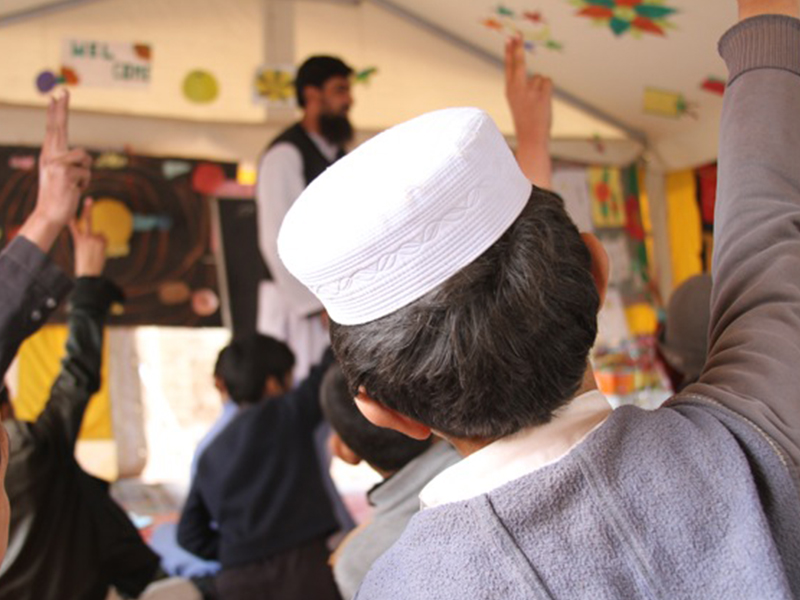
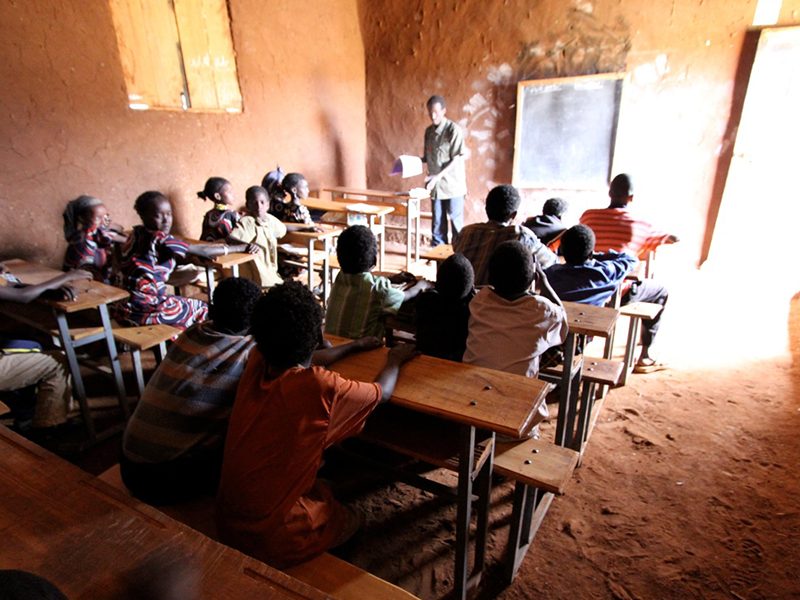
In refugee camps across the world, school is often one of the first safe spaces to return after a crisis. But most teachers working in these environments aren’t trained to help children recover from trauma.
The IRC had already developed a research-based framework for helping children heal through education. They just needed a way to deliver that training, consistently, accurately, and with emotional impact, to teachers across the globe.
That’s where Two Parrot came in.
A High-Risk, High-Reward Production
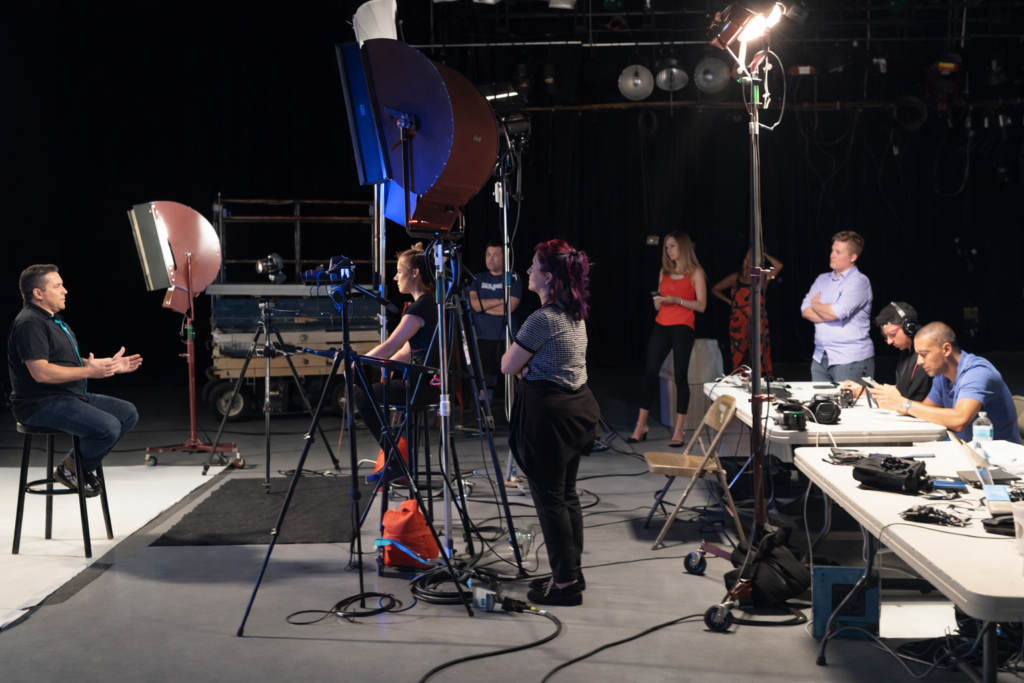
Over the course of six months, our team developed, filmed, and produced a comprehensive training toolkit. The centerpiece? Twenty-four instructional videos filmed on location in refugee camps in Pakistan and Liberia.
“This was not a studio shoot. This was a humanitarian operation. One person carried all the gear. We had armed guards with machine guns. In Pakistan, I wore a burka and scarf to blend in and stay safe. Every step required trust and precision.”
— Dr. Jessica Kizorek, Executive Producer
The production was split between two units. Jessica led the team in Peshawar, Pakistan, just three months before Osama Bin Laden was found in the same region. Her father, Bill Kizorek, and cinematographer Karly Kizorek handled the Liberia side.
Both teams navigated extreme travel logistics, intense visa processes, cultural barriers, and the constant need to remain low-profile for security. All of this while following pre-approved scripts, tight timelines, and carefully curated shot lists designed to match a Ph.D.-developed educational framework.
What We Delivered
Despite the risks and constraints, we built a robust, multilingual multimedia training suite:
- 24 edited instructional videos (12 in English, 12 in French)
- Motion graphics and educational animations
- Two interactive DVDs with facilitator tools for master trainers
- Two printed training manuals (200+ pages each)
- Script development grounded in trauma-informed pedagogy
- Photography portfolios from the field
- Custom packaging for mobile, browser, and print delivery
Each module was structured to help teachers absorb healing-centered techniques using simple language, real-life examples, and visually engaging demonstrations. The facilitators could use the videos during training or as standalone learning tools.
“This wasn’t about high-end cinematography. It was about accessibility. Everything had to be emotionally resonant, culturally respectful, and globally relevant.”
— Dr. Jessica Kizorek
Ethical Storytelling with Real Educators
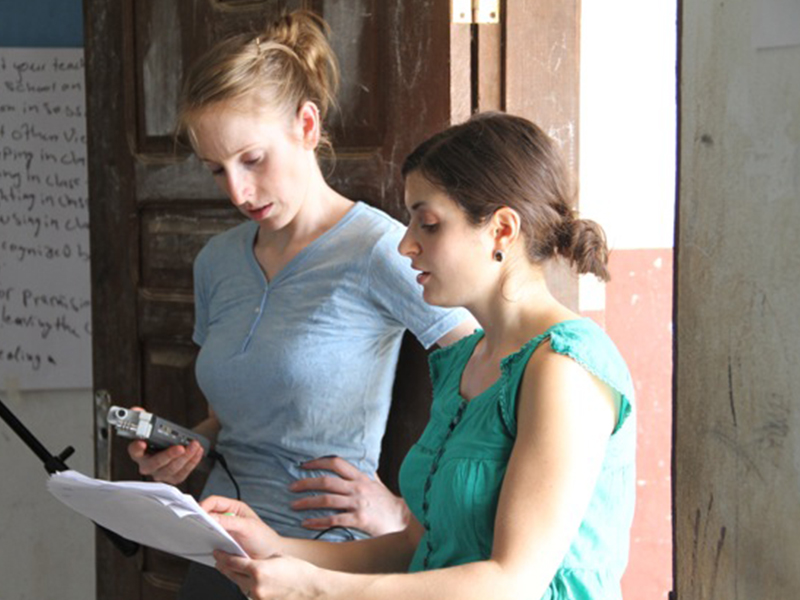
We made a conscious decision: the stars of the video wouldn’t be outside experts. They would be local teachers and their students, filmed respectfully and in their own environments.
Each video highlighted a real-life application of the Healing Classrooms method, teachers using relationship-building, structure, and emotional awareness to support traumatized students. These educators became the messengers for a global network of peers.
The tone throughout was affirming, calm, and clear. We weren’t showing chaos, we were showing care. Teachers help children return to routines, rebuild trust, and find hope again.
Impact: A Training Toolkit That Travels the World
After production wrapped, the content was distributed globally to IRC’s operations in 22 countries. The DVDs were translated and used in refugee teacher training programs throughout Africa, the Middle East, and Southeast Asia.
At a launch event in Kenya, IRC presented the full toolkit at an international education conference. The feedback?
“They found the videos clear, and said they were exactly what they needed to help teachers understand the techniques. We are so grateful for your help.”
— Jamie Weiss, Program Manager, IRC Education Unit
The United Nations Refugee Agency also took notice, discovering Two Parrot through a Google search and citing our specialization in educational content for large international NGOs.
Lessons Learned
Projects like this push a team to its limits, and redefine what’s possible with purpose-driven video production.
- Pre-production is everything. Every script, shot list, and permission form must be airtight when you’re flying into a crisis zone.
- Cultural fluency matters. Respect for local customs, dress, and interpersonal dynamics was key to building trust and gathering usable footage.
- Lightweight gear and low profile. When safety is at risk, less is more. One camera, one case, one creative brain making it all work.
This wasn’t about flashy visuals. It was about building human connection across continents. Showing what healing looks like, and helping others replicate it.
Final Thoughts
The Healing Classrooms project remains one of the most meaningful productions in our history. It’s a testament to how storytelling can train, inspire, and transform, even in the hardest of places.
If your organization is working globally, across cultures and crisis zones, and you need a storytelling partner who understands how to work with care, ethics, and impact, we’re ready.
👉 Let’s talk about global training solutions
The United Nations Refugee Agency found Two Parrot on the first page of Google because we specialized in working for large global charity brands. They wanted someone they could trust to send to two very difficult frontlines. One we went to Liberia and one we went to Peshawar which I was in Peshawar three months before they found Osama Bin Laden in Peshawar. So it was under very tight security. We had armed guards, some with machine guns and both places were very difficult and there were only two countries out of the 22 countries that have refugee agencies. They basically wanted a series of videos where they could communicate with educators inside of refugee camps around the world. The client, IRC, it was a very nuanced shoot because it was called Healing Classrooms and it was showcasing from one educator, the stars of the videos were the educators and their students and the intended audience of the series was also educators in the refugee system all around the world. We made 1 English DVD and 1 French DVD and the DVDs had 6 English videos and 6 French videos. The same content but broken out into different languages. It was a difficult place to be when I was in Pakistan. I wore a burka and a dress and a scarf to cover all my skin. Jessica Kizorek was working in Pakistan and Bill and Karly Kizorek were in Liberia. We had to pack very carefully to avoid suspicion by customs and it was obviously very difficult to get a VISA from Pakistan. I had to get a letter from the organization, and paperwork from my hotel. It was very tricky packing because one person had to be able to carry all of the gear. It was a very memorable trip but the project was distributed in both English and French to 22 countries around the world in refugee camps to make the classrooms more healthy in refugee camps around the world.